
Launching a fragrance line is exciting. You may already have a scent direction in mind — fresh citrus for summer, soft florals for everyday wear, warm amber for a premium collection, or perhaps something inspired by memories, places, and emotions.
But building a successful perfume brand involves more than selecting a beautiful bottle or following trends.
Behind every memorable fragrance are decisions about longevity, ingredients, concentration, stability, and how a scent evolves on skin.
At JUVYGLOW, our perfumers work with beauty startups, private label brands, and established fragrance companies through Custom Fragrance Development, Fragrance Manufacturing, Private Label Perfume projects, and Perfume OEM Supplier services.
If you are planning to build your own fragrance collection, these are 15 things worth knowing before development begins.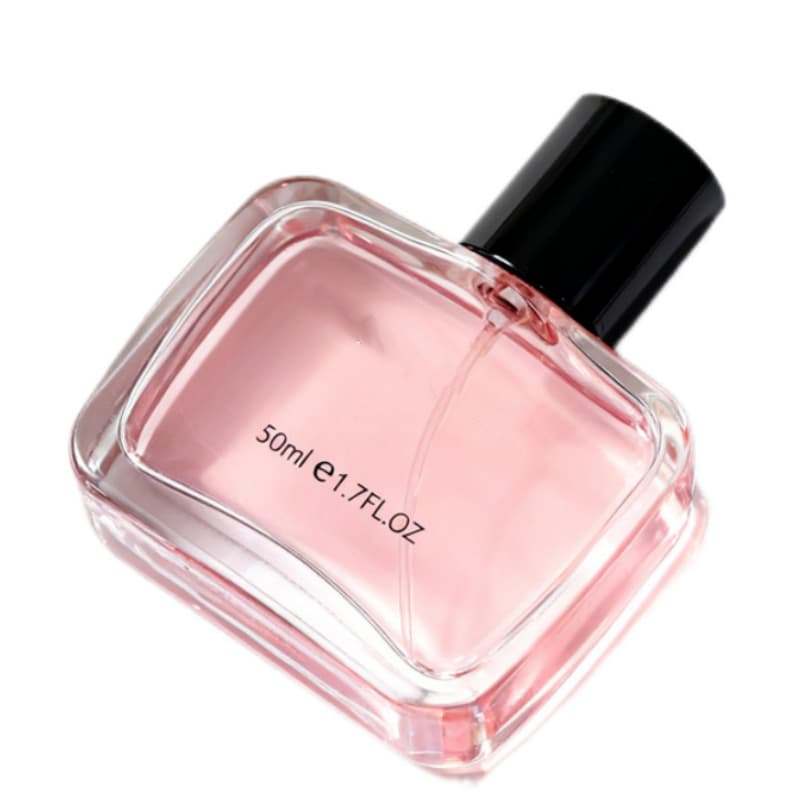
Not every perfume is designed to last the same amount of time.
Generally:
Higher concentration does not automatically mean better.
The ideal choice depends on your target market, pricing strategy, and product positioning.
For many Private Label Perfume collections, selecting the right concentration is one of the earliest formulation decisions.
Customers often assume short wear time means low quality.
In reality, citrus materials such as bergamot, lemon, orange, and grapefruit evaporate faster than woods, resins, musk, or amber bases.
This is simply part of their character.
During Custom Perfume creation, perfumers often pair fresh openings with deeper base accords to improve performance and balance.
A perfume does not reveal itself all at once.
The bright opening creates curiosity.
The heart builds personality.
The dry-down becomes memory.
Many consumers fall in love with a fragrance because of its opening, but continue wearing it because of what remains hours later.
The same fragrance can smell different from person to person.
Factors include:
This is one reason sample testing remains important during Perfume Development.
A scent that feels airy on one person may appear richer on another.
Many people imagine marine fragrances coming directly from nature.
Interestingly, most Marine Fragrance profiles are created through modern perfumery.
The fresh sea breeze effect consumers love is often built from carefully designed accords during Custom Fragrance Development.
It is a perfect example of science supporting creativity.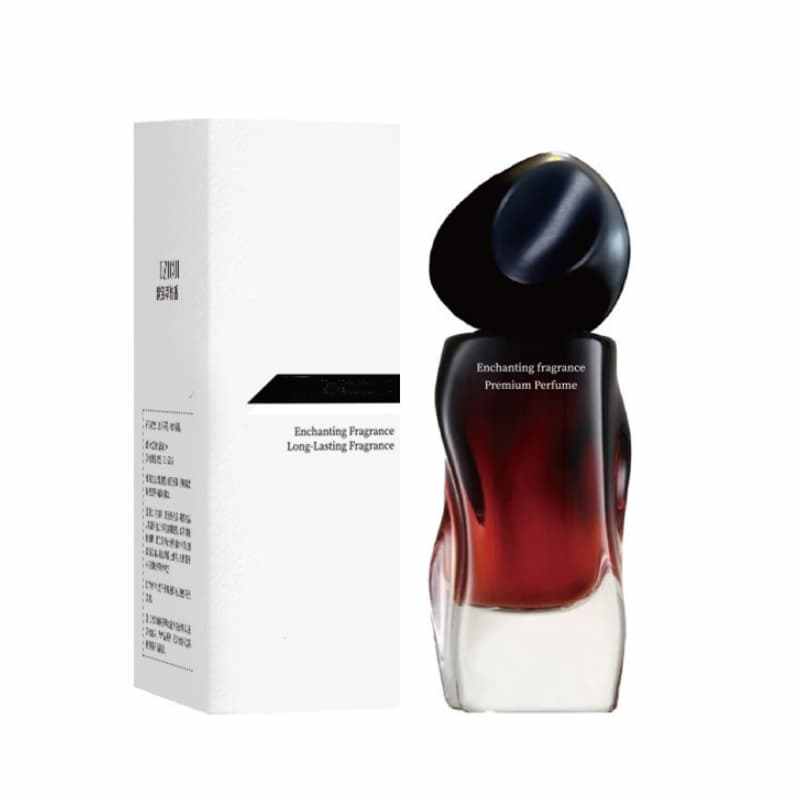
Traditional musk once came from animal sources.
Today, modern Fragrance Manufacturing mainly relies on synthetic musk materials designed for consistency, sustainability, and ethical production.
They also provide greater flexibility during formulation.
“Amber perfume” is one of the most requested directions in fragrance development.
However, amber is usually an accord rather than a single raw material.
It may include:
Every Perfume Manufacturer interprets amber differently.
That signature often becomes part of a brand identity.
Oud develops when agarwood produces resin over time after biological interaction.
Its rarity, depth, and complexity make it one of the most valued materials in luxury perfumery.
Today, oud remains highly popular in niche and Middle Eastern markets.
Beautiful packaging deserves display space.
Perfume, however, prefers darker environments.
Heat, UV exposure, and temperature fluctuations may accelerate oxidation and gradually influence fragrance performance.
This matters not only for consumers, but also during warehousing and logistics planning in Fragrance Manufacturing.
Dry environments often increase evaporation speed.
Humid climates may slow fragrance release.
The same perfume can feel different in Dubai, Tokyo, Paris, or New York.
Brands developing international collections often consider regional climate during Perfume Formulation.
Real rose ingredients remain among the most valuable materials used in perfumery.
Producing natural rose oil requires an enormous amount of petals.
This is one reason authentic rose signatures often appear in premium fragrance collections.
When evaluating fragrances, more is not always better.
Testing too many scents at once can lead to olfactory fatigue.
Professional perfumers usually limit evaluation sessions and allow time between samples.
This process becomes especially important during Custom Perfume Manufacturer projects.
Perfume is not frozen in time.
Alcohol evaporation and oxidation slowly influence scent profiles after opening.
Citrus and floral formulas may change faster compared with heavier structures.
Shelf-life planning therefore remains an important part of Perfume OEM Supplier development.
Consumers often ask:
“How long does it last?”
It is an important question.
But lasting power alone does not define quality.
Projection, balance, evolution, comfort, and emotional connection matter too.
Sometimes the fragrance people remember most is not the strongest one.
It is the one that feels personal.
A memory.
A destination.
A season.
A color palette.
A mood.
Many successful fragrance collections do not start from ingredients.
They start from emotion.
The formula comes later.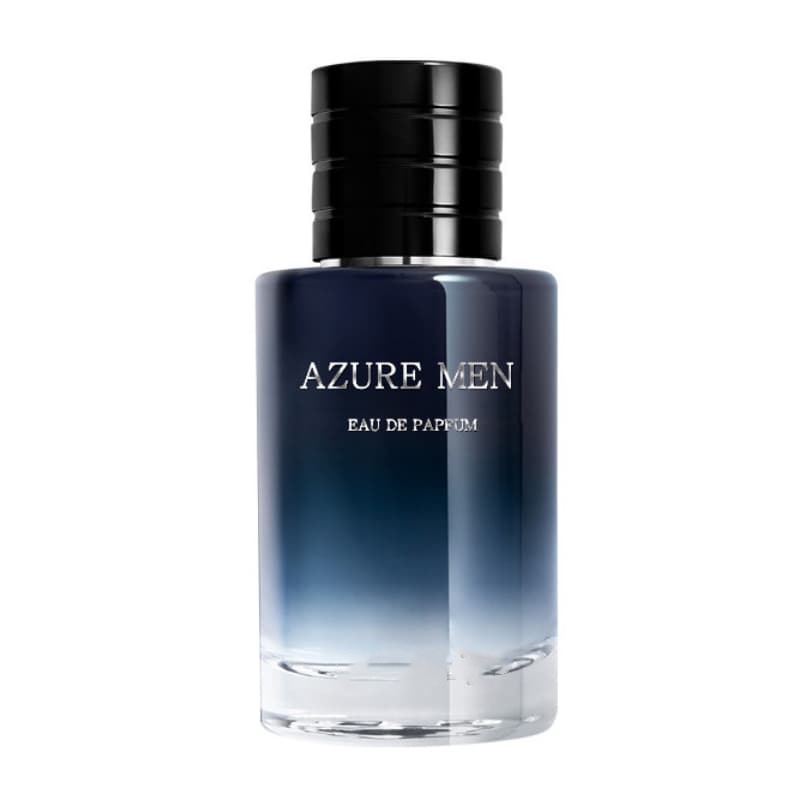
Perfume sits somewhere between science and emotion.
Behind every bottle are raw materials, formulation work, stability testing, concentration decisions, and technical adjustments.
But what people remember is rarely the formula itself.
They remember how it made them feel.
At JUVYGLOW, we collaborate with brands through Private Label Perfume, Fragrance Manufacturing, Custom Fragrance Development, and Perfume OEM Supplier services to transform ideas into market-ready collections.
Some projects begin with a complete concept board.
Others start with a single sentence:
“I want this fragrance to feel soft.”
“I want it to remind people of summer.”
“I want customers to remember it.”
Wherever your idea begins, our team is here to help bring it into a signature scent. Discover MORE customization perfume project here!


