
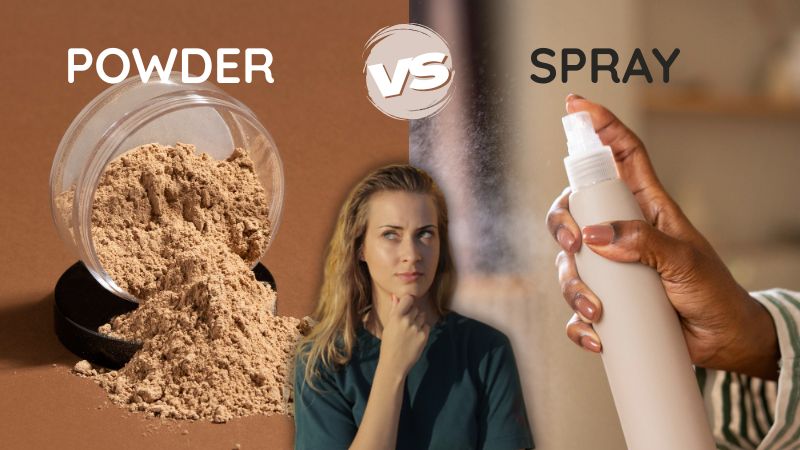
Every makeup lover has the same question at some point: how do I make my foundation, blush, and eyeshadow stay put all day? Two products always come up in the conversation—setting powder and setting spray. Both claim to lock your look in place, but they work in very different ways. Understanding how each one functions can help you choose the right product for your skin type, lifestyle, and desired finish.
In this guide, we’ll take a closer look at setting powder and setting spray, compare their benefits, and explain when to use each—or even both—for flawless, long-lasting makeup.
What Exactly Is Setting Powder?
Setting powder has been a staple in makeup kits for decades. It’s usually applied after liquid or cream products like foundation and concealer. The fine, lightweight texture helps absorb oil and reduces unwanted shine, leaving the skin with a smooth, soft-focus finish.
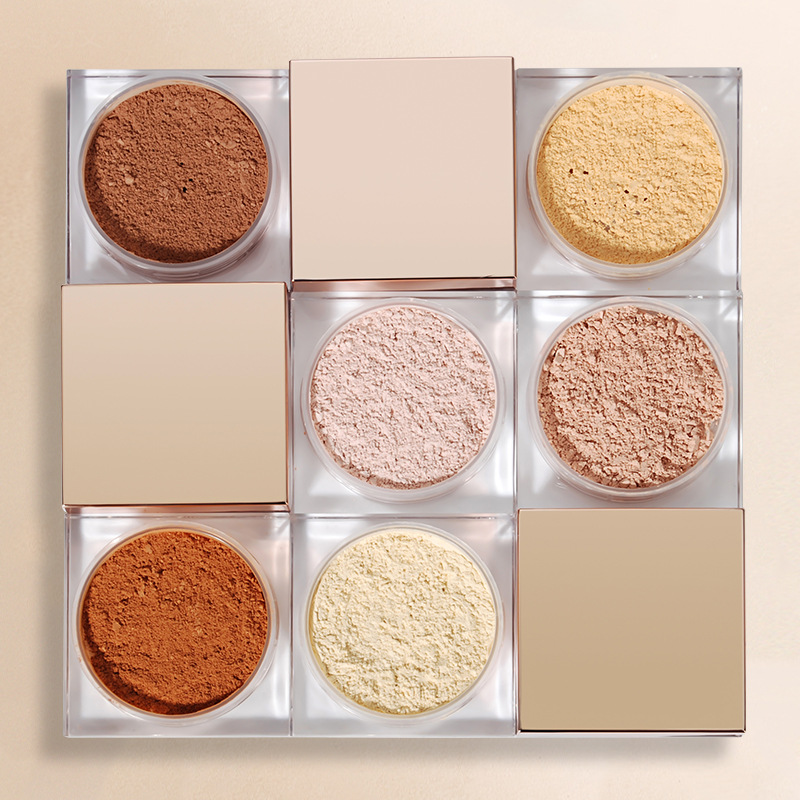
Key benefits of setting powder include:
Professionals often favor loose powders because they’re easy to blend and create a more natural finish, while pressed powders are convenient for touch-ups during the day.
What Exactly Is Setting Spray?
Setting spray, on the other hand, is a relative newcomer but has quickly become a must-have. It comes in a mist that you spritz over your completed makeup. Instead of absorbing oil, it creates a light seal that holds your makeup in place.
Key benefits of setting spray include:

Setting spray is especially popular for long events—think weddings, parties, or long workdays—when you need makeup to last from morning until night.
The Core Difference Between Powder and Spray
At the simplest level, powder sets your base makeup by reducing oil and shine, while spray sets your entire look by locking everything in place.
Which One Should You Use?
This is the part where people usually ask, “So which is better?” The truth is, it depends on your needs.
Can You Layer Them Together?
Absolutely, and many makeup artists recommend it. Here’s a simple routine that combines the best of both worlds:
This two-step method creates makeup that looks polished, feels comfortable, and lasts significantly longer.
Common Mistakes to Avoid
Even the best products can go wrong if used incorrectly. Here are a few tips:
Final Thoughts
Both setting powder and setting spray have an important place in makeup routines. Powder is all about controlling shine and smoothing the base, while spray is about sealing the whole look for hours of wear. You don’t necessarily have to choose one over the other—using them together can give you the best of both worlds.
Ultimately, the right choice depends on your skin type, the desired finish, and the duration you require your makeup to last. Whether you’re aiming for a matte, photo-ready look or a radiant glow, setting products are the secret to keeping makeup looking flawless from morning to night.


