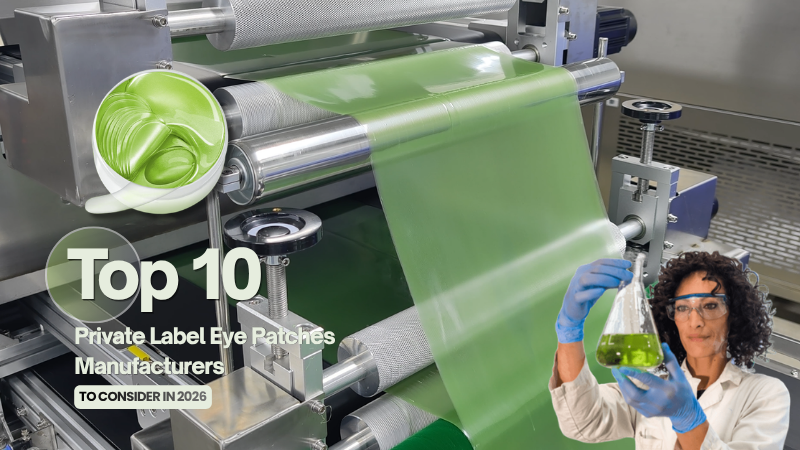
The global skincare market is moving quickly, and eye patches have become one of the easiest ways for beauty brands to add a targeted, high-perceived-value product to their collections.
From classic hydrogel eye patches and collagen eye masks to newer formulas featuring PDRN, peptides, hyaluronic acid, caffeine, and botanical extracts, the category offers plenty of room for product differentiation.
For brands looking to launch their own eye patch products, working with an experienced private label eye patch manufacturer can significantly reduce development time and production complexity.
But choosing the right manufacturer is not simply about finding the lowest MOQ.
You need to consider formulation capabilities, hydrogel technology, customization options, packaging, quality control, certifications, production capacity, MOQ, and experience with international beauty markets.
To make the process easier, we’ve compiled a list of 10 private label eye patch manufacturers to consider in 2026.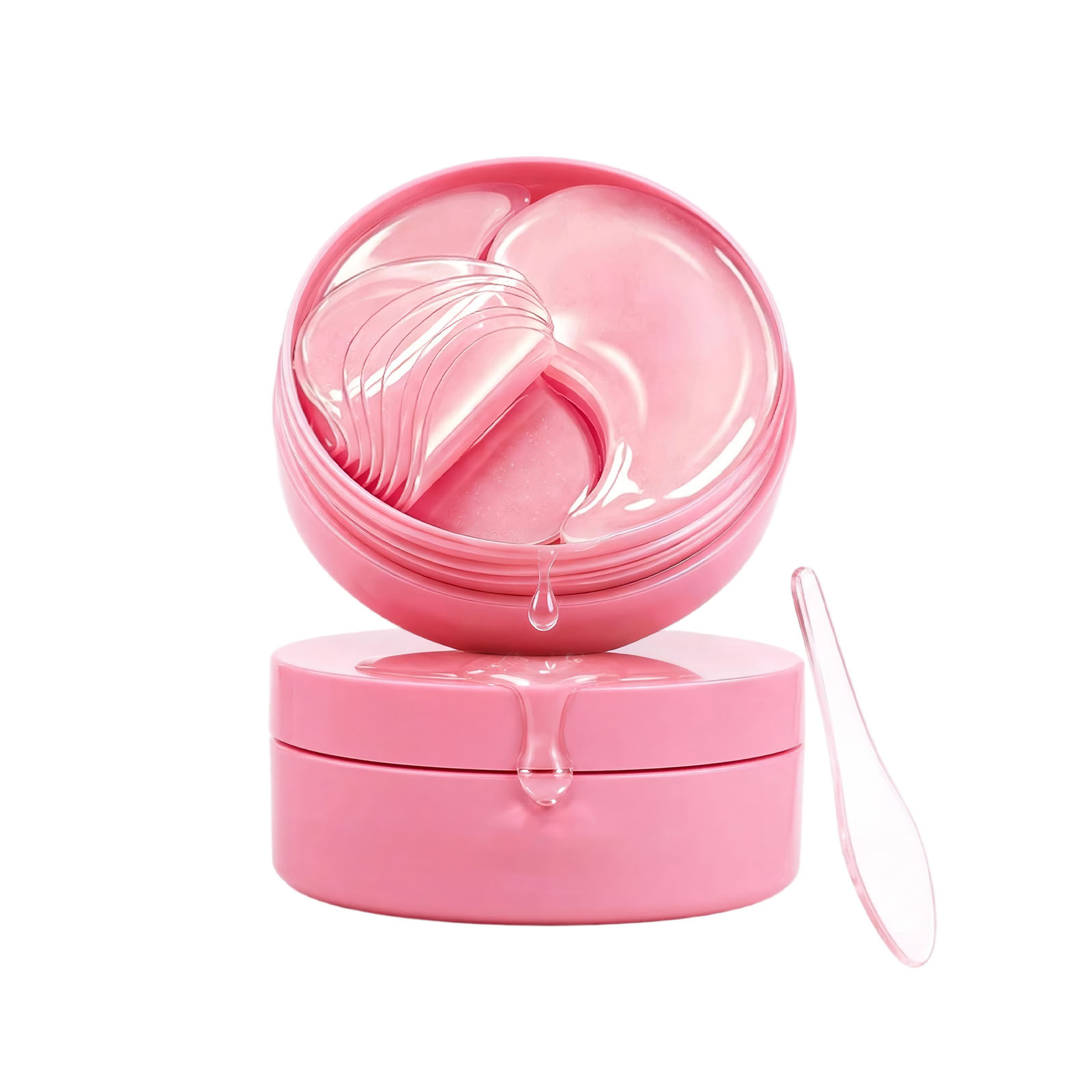
| Manufacturer | Location | Key Strength | Best For |
| JUVYGLOW | China | OEM/ODM, hydrogel patches, flexible Skincare customization | Startups & growing beauty brands |
| BIOCOS | China | Skincare OEM/ODM | Private label skincare |
| NOX BELLCOW | China | Large-scale cosmetic manufacturing | Established brands |
| BIOBLOSSOM | China | OEM/ODM skincare | Custom skincare lines |
| HCP Wellness | China | Skincare & beauty manufacturing | International brands |
| Kolmar Korea | South Korea | R&D & advanced formulations | Premium K-Beauty |
| COSMAX | South Korea | Large-scale OEM/ODM | Global beauty companies |
| Intercos | Italy / Global | Premium beauty manufacturing | International brands |
| Taiki Cosmetics | France / Global | Innovative cosmetic formats | Premium & innovative products |
| Korean private label specialists | South Korea | Hydrogel & K-Beauty expertise | Trend-focused brands |
Manufacturer capabilities, MOQ, certifications, and customization options should always be confirmed directly before placing an order, as they can vary by product and project.
Before choosing a supplier, it helps to understand what actually separates a reliable eye patch manufacturer from a general cosmetics supplier.
A good manufacturer should offer more than a catalog of ready-made products.
Look for manufacturers capable of developing or modifying formulas around ingredients such as:
This gives your brand more room to create a product with a clear positioning rather than selling another generic eye mask.
Hydrogel eye patches require more specialized production than many conventional skincare products.
The material needs to provide good adhesion, moisture retention, flexibility, and comfortable application around the delicate eye area.
Manufacturers with dedicated hydrogel production experience are therefore worth prioritizing.
Depending on your business model, you may want:
Private Label:
Choose an existing formula and customize the branding and packaging.
OEM:
Customize the formula and product according to your specifications.
ODM:
Develop a product using the manufacturer's existing R&D and formulation capabilities.
The best option depends on your budget, timeline, and desired level of differentiation.
Eye masks are highly visual products, so packaging can have a significant impact on perceived value.
Manufacturers may offer:
For new brands, it can be especially useful to work with a supplier that can coordinate both the product and packaging rather than requiring you to manage multiple suppliers.
JUVYGLOW is a China-based OEM/ODM beauty manufacturer specializing in skincare, makeup, perfume, and private label beauty products.
For eye patch brands, the company offers a growing range of hydrogel eye patches, including collagen, PDRN, cooling, and two-color hydrogel formats.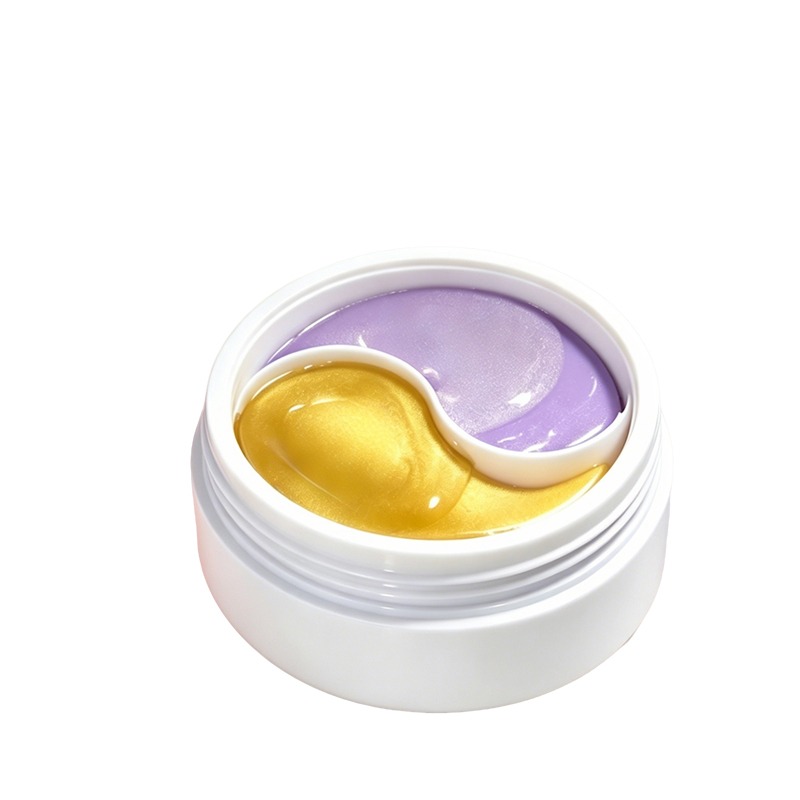
Its current product range includes products such as a Dual-Color PDRN Collagen Radiance Hydrogel Eye Mask Patch, a red-gold two-tone hydrogel eye patch, an astaxanthin microporous eye patch, and collagen crystal eye masks.
JUVYGLOW also supports formula customization, packaging development, private labeling, and OEM/ODM production. Its website states that it operates a 3,000㎡ production facility with multiple automated production lines and more than 15 years of industry experience.
The company also positions itself around flexible MOQ options, with its website currently stating that some products can be ordered from 300 pcs, although the actual MOQ depends on the product and customization requirements.
Best for: Startups, indie beauty brands, distributors, and growing skincare companies looking for a flexible OEM/ODM partner.
BIOCOS is a Chinese cosmetics manufacturer offering OEM and ODM services across skincare and beauty categories.
The company is worth considering for brands looking to develop private label skincare products while working with an experienced manufacturing partner.
Its broader product-development capabilities can make it suitable for brands that want eye patches to become part of a larger skincare collection rather than launching a standalone product.
Best for: Beauty brands developing multiple skincare products.
NOX BELLCOW is another established Chinese cosmetic manufacturer with OEM/ODM capabilities.
The company works across skincare and personal-care categories and is more suitable for businesses looking for structured manufacturing capabilities and scalable production.
For brands planning to expand from eye patches into masks, creams, serums, and other skincare products, a larger OEM partner can simplify supplier management.
Best for: Established brands and businesses planning larger product lines.
BIOBLOSSOM focuses on cosmetics and skincare OEM/ODM manufacturing.
For private label brands, one of the main advantages of working with this type of manufacturer is the ability to develop a coordinated skincare range rather than sourcing each product independently.
Eye patches can be positioned alongside products such as facial masks, serums, creams, and other targeted skincare products.
Best for: Brands building a complete private label skincare collection.
HCP Wellness is another manufacturer to consider when looking for private label beauty and skincare production.
For international buyers, manufacturers with broader product capabilities can be useful when the goal is to develop multiple SKUs under one brand.
Instead of treating an eye patch as an isolated product, brands can build a complete product story around hydration, anti-aging, brightening, cooling, or targeted eye care.
Best for: Brands looking for broader skincare manufacturing support.
South Korea is one of the most influential markets in modern skincare, particularly when it comes to hydrogel masks, innovative textures, and ingredient-led products.
Kolmar Korea is one of the country's established cosmetics OEM/ODM manufacturers.
Its strength is particularly relevant to brands looking for advanced formulation development and K-Beauty-inspired products.
For premium brands, the Korean manufacturing ecosystem can offer strong advantages in product development and trend-driven formulation.
Best for: Premium skincare brands and businesses targeting the K-Beauty market.
COSMAX is one of the world's major cosmetics OEM/ODM companies, with extensive experience serving international beauty brands.
Its scale and R&D capabilities make it particularly relevant for companies that require sophisticated product development rather than simple private labeling.
For an eye patch project, larger manufacturers such as COSMAX may be more appropriate for established brands with significant development requirements and production volumes.
Best for: Established and international beauty companies.
Intercos is a major global beauty manufacturer with extensive experience in cosmetics and skincare.
The company is particularly known for working with international beauty brands and developing innovative products across multiple categories.
For companies positioning eye patches as part of a premium skincare portfolio, a global manufacturer such as Intercos can be worth considering.
The trade-off is that large international manufacturers may not be the most practical choice for small startups with very limited initial volumes.
Best for: Large beauty brands and premium product development.
Taiki Cosmetics is known for developing innovative cosmetic delivery formats and beauty products.
For brands that want something beyond a standard eye patch, innovation-focused manufacturers can be particularly interesting.
This can include differentiated textures, delivery formats, materials, and application experiences.
That makes this type of manufacturer worth considering when the goal is to create a product that stands out visually and functionally.
Best for: Premium, innovative, and trend-driven beauty brands.
South Korea has a large ecosystem of specialized skincare manufacturers and private label suppliers.
For brands specifically interested in K-Beauty eye patches, Korean suppliers can offer strong expertise in hydrogel materials, collagen masks, brightening formulas, anti-aging skincare, and ingredient-focused product development.
The key is to evaluate each supplier individually rather than choosing a manufacturer simply because it is based in Korea.
Ask about:
Best for: Brands looking for K-Beauty positioning and trend-focused skincare products.
There isn't one manufacturing country that is automatically best for every brand.
The right choice depends on your positioning, budget, MOQ, target market, and development requirements.
China is particularly attractive for brands that prioritize:
For startups and growing brands, China can provide a relatively accessible entry point into private label skincare.
Korea is especially attractive for:
If your marketing strategy is strongly connected to Korean beauty trends, Korean manufacturing may be worth the additional investment.
European manufacturers can be attractive for brands emphasizing:
However, development costs and MOQs may be less suitable for very early-stage brands.
There isn't one universal price for a private label eye patch.
Your final cost can depend on:
Formula + hydrogel material + patch shape + ingredients + packaging + printing + order quantity + customization + shipping
A simple stock formula in standard packaging will generally be more economical than a completely customized product.
For example, a startup may choose an existing hydrogel formula and customize only the packaging and branding.
A more established brand might invest in:
The second approach naturally requires a larger development budget.
MOQ varies significantly between manufacturers.
Some suppliers may offer relatively low MOQs for stock products, while fully customized formulas and packaging can require much higher quantities.
Before comparing quotes, make sure you're comparing the same level of customization.
For example:
1,000 pcs with stock formula + stock packaging
is very different from
10,000 pcs with custom formula + custom hydrogel shape + custom packaging.
Always ask the manufacturer to provide an itemized quotation.
Before placing an order, ask the manufacturer:
A manufacturer that answers these questions clearly is usually easier to work with than one that only provides a product catalog and a price.
The private label eye patch market is becoming increasingly competitive.
Simply offering a basic collagen eye patch is no longer enough for many beauty brands. Consumers are becoming more familiar with ingredients such as PDRN, peptides, collagen, hyaluronic acid, caffeine, and botanical extracts, while packaging and product experience are becoming increasingly important.
That is why choosing the right manufacturing partner matters.
For startups and emerging brands, flexible Chinese OEM/ODM manufacturers can provide an attractive combination of customization, cost efficiency, and supply-chain support.
For brands focused on K-Beauty, South Korean manufacturers may offer stronger positioning and formulation expertise.
For premium international brands, European and global manufacturers can provide a different level of product development and brand positioning.
Ultimately, the best private label eye patches manufacturer is not necessarily the biggest factory or the cheapest supplier.
It is the one that can match your:
Product concept + target market + budget + MOQ + quality requirements + growth plans.
Before committing to a large order, always request samples, verify documentation, confirm the final formula and packaging specifications, and conduct appropriate quality checks.
And if you're still comparing suppliers, starting with a clear product brief can save a surprising amount of time — especially when you already know your target market, desired ingredients, packaging style, and expected order volume.


